 ANKUR TYAGI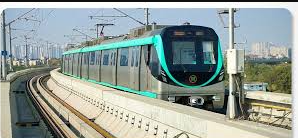
Greater Noida West (formerly known as Noida Extension) is one of the fastest-growing regions in the National Capital Region (NCR). With new residential complexes, commercial hubs, schools, and road infrastructure coming up rapidly, the area has emerged as a preferred destination for middle-class families and young professionals.
However, this rapid urbanization has also created challenges such as traffic congestion, lack of reliable public transport, and poor last-mile connectivity. In this context, the arrival of Metro services is not just desirable but essential for sustainable growth.
Current Status and Project Updates
- The Noida Metro Rail Corporation (NMRC) has proposed the extension of the Aqua Line towards Greater Noida West. The project will be about 17.435 km long with 11 new stations.
- Phase-I will cover the stretch from Sector-51 to Sector-2, and Phase-II will extend from Sector-2 to Knowledge Park-V.
- According to estimates, the project could benefit more than 4 lakh commuters daily.
- The Uttar Pradesh government has already approved the Detailed Project Report (DPR), which paves the way for construction.
Key Benefits of Metro in Greater Noida West
| Area | Benefits |
|---|---|
| Reduced Traffic Jams | With thousands of new vehicles hitting the roads daily, congestion has become a nightmare. Metro will ease pressure on private vehicles, cabs, and auto-rickshaws. |
| Time Saving | Commuters traveling to Noida, Delhi, or Gurugram will save significant time with faster and predictable Metro services. |
| Eco-Friendly Transport | Metro will reduce dependence on cars and two-wheelers, lowering air pollution and cutting fuel consumption. |
| Boost to Real Estate | Property values in areas near Metro stations usually rise due to better connectivity, attracting both homebuyers and investors. |
| Affordable Travel | For people who cannot rely on personal vehicles, Metro offers a safe, reliable, and cost-effective mode of transport. |
| Better Urban Planning | Metro stations often evolve into mini-hubs with markets, offices, and better infrastructure, supporting organized urban growth. |
Challenges Ahead
While the benefits are clear, a few hurdles remain:
- Delays in Approvals and DPR Execution: Residents are concerned that bureaucratic delays could slow down implementation.
- Funding and Costs: Metro projects require heavy investment in land, construction, and long-term maintenance.
- Last-Mile Connectivity: Authorities must ensure proper feeder services (e-rickshaws, buses, walkways, cycle tracks) from stations to homes/offices.
- Timely Execution: Strict timelines must be followed to prevent the project from dragging on for years.
Conclusion
Greater Noida West is at a turning point in its development journey. With its rapidly growing population and rising economic activity, the need for a reliable, efficient, and eco-friendly transport system cannot be ignored.
The Metro expansion will not only address traffic and connectivity issues but also enhance real estate demand, lifestyle convenience, and environmental sustainability. For residents and investors alike, Metro connectivity will be a true game-changer in the region’s growth story.

 Abhishek Sinha