 ANKUR TYAGI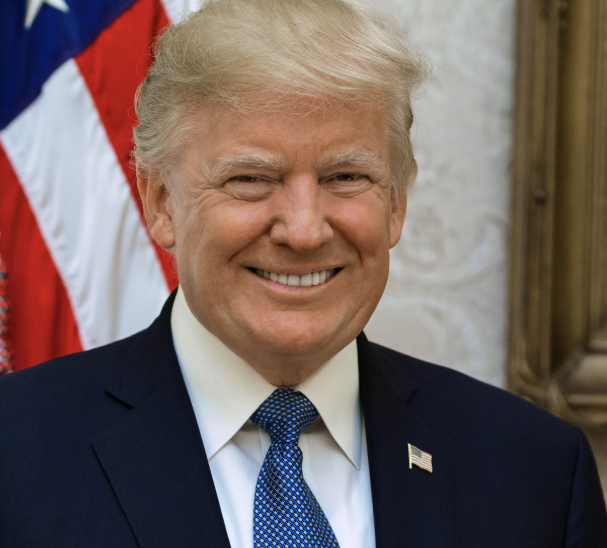
The H-1B visa is one of the most sought-after non-immigrant visas issued by the United States. It allows U.S. companies to employ foreign professionals in specialty occupations that require theoretical or technical expertise. Over the years, the H-1B visa has become a crucial pathway for skilled workers—particularly in technology, finance, engineering, medicine, and research—to work in the U.S.
What Is the H-1B Visa?
The H-1B visa is a temporary work visa granted to foreign nationals who have specialized knowledge and at least a bachelor’s degree or equivalent work experience. It enables U.S. employers to fill roles in areas where there is a shortage of qualified domestic workers.
Key features:
- Duration: Initially issued for three years, extendable up to six years.
- Employer-Sponsored: The visa is tied to the employer who petitions for the worker.
- Quota System: Every year, a fixed number of H-1B visas are issued, currently capped at 85,000 (65,000 regular cap + 20,000 for U.S. master’s degree holders).
- Pathway to Green Card: Many H-1B holders later transition to permanent residency through employer sponsorship.
The History of the H-1B Visa
The origins of the H-1B visa trace back to the Immigration and Nationality Act of 1952 (INA), which first created the “H” category for temporary workers. The specific H-1B visa we know today, however, evolved through reforms and amendments over decades.
Timeline of Key Developments
- 1952 – Immigration and Nationality Act (INA):
Introduced the “H” category for temporary workers, but without today’s specific requirements. - 1990 – Immigration Act of 1990:
Officially created the modern H-1B visa program. It capped visas at 65,000 per year and targeted “specialty occupations.” - 1998 – American Competitiveness and Workforce Improvement Act (ACWIA):
Temporarily raised the cap to 115,000 and introduced H-1B training fees to fund U.S. workforce skill development. - 2000 – American Competitiveness in the 21st Century Act (AC21):
Allowed H-1B holders to extend beyond six years if they were waiting for green card approval, and increased the cap to 195,000 for FY2001–2003. - 2004 – H-1B Visa Reform Act:
Reinstated the cap to 65,000 but added an exemption of 20,000 visas for foreign professionals with a U.S. master’s degree or higher. - 2010s – Tech Industry Boom:
The H-1B program became synonymous with the U.S. technology industry, as companies like Google, Microsoft, Amazon, and Indian IT firms (Infosys, TCS, Wipro) heavily relied on skilled immigrants. - 2017–2020 – Trump Administration:
Introduced stricter scrutiny and higher denial rates under the “Buy American, Hire American” policy, focusing on protecting U.S. workers. - 2021 onwards – Biden Administration:
Reversed many restrictive policies and emphasized balancing the needs of U.S. businesses with immigration reforms.
Criticism and Controversies
While the H-1B visa is vital for U.S. competitiveness, it has faced criticism:
- Wage Suppression: Some argue that companies use H-1B workers to cut costs by paying lower salaries.
- Job Displacement: Critics claim it reduces opportunities for American workers.
- Dependence on Employers: Visa holders often face job insecurity as their status depends on employer sponsorship.
At the same time, supporters stress that H-1B workers fill critical skill gaps, contribute to innovation, and help U.S. companies remain global leaders in technology.
Present and Future of H-1B Visa
As of 2025, the H-1B remains highly competitive, with applications often exceeding the annual cap within days, triggering a lottery system. The U.S. government continues to debate reforms, focusing on improving fairness, addressing abuse, and ensuring that highly skilled talent continues to drive the American economy.
Conclusion
The H-1B visa has evolved into a cornerstone of the U.S. immigration system for skilled professionals. From its beginnings in the 1990s to its current role in powering America’s tech-driven economy, the program reflects the constant balance between economic demand, political pressures, and immigration policy. Its future will likely remain central to discussions on how the U.S. competes in a global talent market.


 Abhishek Sinha